Non-Invasive Cardiology
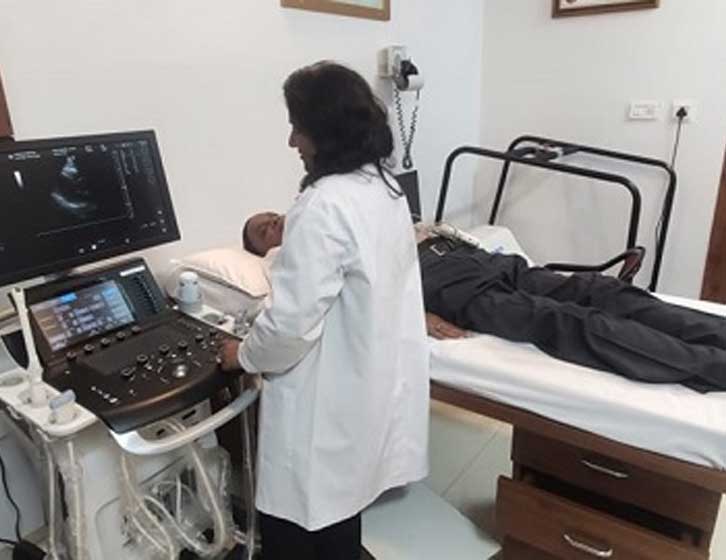
Expert Non Invasive Cardiologists Team
At Vinayak Hospital, our team of expert Non Invasive Cardiologists is dedicated to delivering high-quality, compassionate heart care. With vast experience and specialised training, they manage everything from routine heart check-ups to complex cardiac conditions. Using advanced technology and a patient-first approach, our doctors ensure precise diagnosis and effective treatment. Your heart health is always our top priority.
- Senior consultants with decades of clinical experience
- Modern, well-equipped OPDs and procedure rooms
- Personalised treatment plans and transparent care
- Dedicated follow-up and rehabilitation support
Top Procedures & Treatments for Non-Invasive Cardiology
Comprehensive Heart Check-ups
Comprehensive heart check-ups use advanced, non-invasive tools like ECG, echo, stress tests, and cardiac imaging to evaluate heart function, detect early disease, and support preventive treatment planning.
Echocardiography (2D, 3D, Doppler)
Echocardiography uses ultra – sound to create real-time images of the heart, helping diagnose valve disorders, structural issues, and heart failure by assessing heart chambers, movement, and blood flow patterns.
Electrocardiogram (ECG or EKG)
An ECG records the electrical activity of the heart using surface electrodes. It is a quick, painless, non-invasive test used to detect arrhythmias, heart attacks, poor blood flow, and other abnormalities in heart rhythm, rate, or muscle function.
Treadmill Stress Testing (TMT)
TMT evaluates how the heart functions under physical stress by monitoring ECG, heart rate, and blood pressure during controlled exercise. It helps detect coronary artery disease, assess unexplained symptoms, and guide safe treatment
Types of Diseases Diagnosed and Monitored in Non-Invasive Cardiology
Coronary Artery Disease (CAD)
Non-invasive tests such as CT coronary angiography and stress imaging help detect blockages or narrowing in the coronary arteries early, enabling timely lifestyle and medical interventions.
Congenital Heart Defects
Non-invasive imaging techniques like echocardiography and cardiac MRI are crucial for identifying and tracking congenital heart defects throughout life, especially when surgery is not immediately required.
Valvular Heart Diseases
Echocardiography is central in diagnosing heart valve problems, such as stenosis or regurgitation, allowing cardiologists to monitor disease severity and guide decisions on medical or surgical management.
Hypertension and High Blood Pressure
Regular blood pressure monitoring and non-invasive cardiac assessments help understand the long-term effects of high blood pressure on heart structure and function.
Arrhythmias (Irregular Heart Rhythms)
ECGs, Holter monitors, and event recorders help identify abnormal heart rhythms like atrial fibrillation or bradycardia, leading to accurate diagnosis and personalized treatment plans.
Pericardial Diseases
Conditions such as pericarditis or pericardial effusion are effectively diagnosed with echocardiography and cardiac MRI, helping avoid the need for invasive procedures in most clinical cases.