
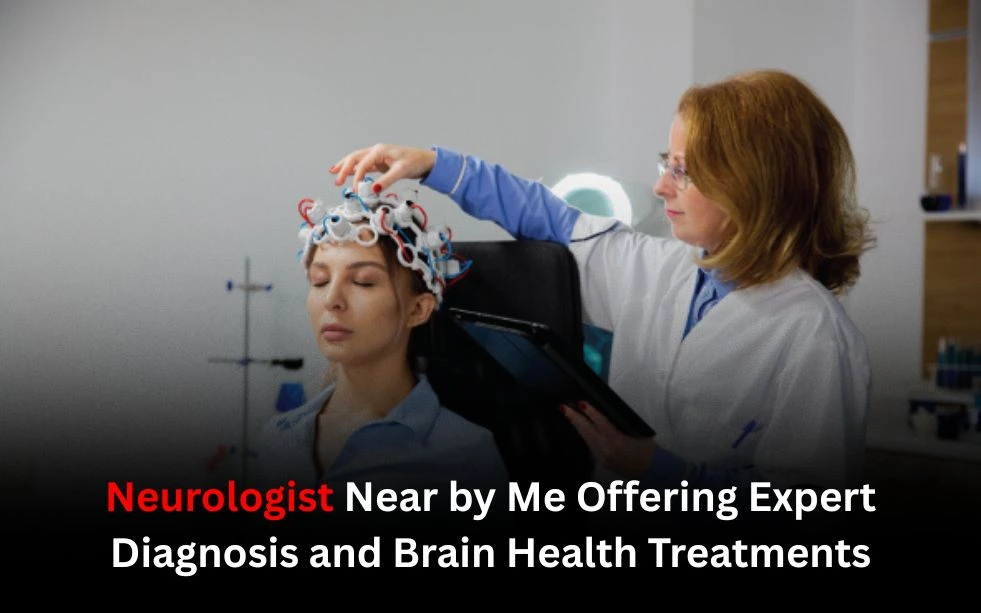
The human brain is one of the most complex organs in the body, responsible for controlling thoughts, movements, emotions, and essential bodily functions. When neurological symptoms arise—such as persistent headaches, dizziness, memory loss, or seizures—timely consultation with an expert neurologist becomes crucial. If you’ve been searching for a neurologist near by me, this blog will guide you through why expert neurological care matters, what treatments are available, and how to find the best specialist in your area.
Understanding Neurology and Its Importance
Neurology is a medical specialty focused on diagnosing and treating disorders of the brain, spinal cord, peripheral nerves, and muscles. A neurologist is trained to handle a wide range of conditions including strokes, epilepsy, migraines, multiple sclerosis, Parkinson’s disease, and Alzheimer’s disease.
Our nervous system controls everything from heartbeat to movement, mood, and memory. Any disruption or abnormality in this system can significantly affect a person’s quality of life. Therefore, getting help from a qualified neurologist nearby me ensures early diagnosis, expert evaluation, and appropriate management of neurological conditions.
Signs You Should See a Neurologist
People often delay seeking neurological help, assuming symptoms will go away on their own. But some warning signs should never be ignored. Here are key symptoms that indicate it’s time to search for a neurologist near by me:
- Persistent or severe headaches
- Chronic dizziness or vertigo
- Sudden loss of vision or balance
- Memory problems or confusion
- Numbness or tingling sensations
- Uncontrolled movements or tremors
- Difficulty speaking or understanding speech
- Seizures or convulsions
- Muscle weakness or coordination issues
These symptoms could be early signs of serious neurological disorders. Prompt evaluation by a specialist can lead to faster recovery and prevent further complications.
Common Conditions Treated by Neurologists
A trusted neurologist near by me is trained to treat a wide range of neurological disorders. Some of the most common include:
1. Migraine and Chronic Headaches
Neurologists help differentiate between migraines, cluster headaches, tension headaches, and other forms of head pain, offering personalized treatment plans that go beyond just painkillers.
2. Epilepsy and Seizure Disorders
For patients experiencing seizures, a neurologist performs tests like EEG and MRI to identify the cause and start anti-epileptic medication or other therapies.
3. Stroke and Post-Stroke Rehabilitation
Strokes need immediate attention. A neurologist plays a critical role in stroke diagnosis, emergency care, and long-term rehabilitation strategies.
4. Parkinson’s Disease
This progressive disorder affects movement and coordination. Neurologists guide patients through medications, physical therapy, and sometimes deep brain stimulation.
5. Multiple Sclerosis (MS)
MS is an autoimmune disease that affects the central nervous system. Neurologists help manage its progression and reduce flare-ups through medication and lifestyle changes.
6. Dementia and Alzheimer’s Disease
Memory loss in older adults requires expert assessment. Neurologists perform cognitive evaluations and brain scans to diagnose and treat memory-related disorders.
7. Neuropathy and Nerve Disorders
Nerve pain or weakness, especially in the hands and feet, may be due to neuropathy. A neurologist near by me can investigate the root cause and provide relief.
8. Sleep Disorders
Conditions like insomnia, sleep apnea, or restless legs syndrome often have a neurological basis. Sleep neurologists help improve quality of rest and overall well-being.
Diagnostic Tools Used by Neurologists
Advanced diagnosis is key to accurate treatment. Neurologists use a variety of tools and tests to understand what’s happening inside the brain and nervous system:
- MRI and CT Scans: To detect tumors, strokes, or structural abnormalities
- EEG (Electroencephalogram): Measures brain activity to diagnose epilepsy and sleep disorders
- Nerve Conduction Studies and EMG: Assess how well nerves and muscles are functioning
- Lumbar Puncture (Spinal Tap): Checks for infections or bleeding in the brain
- Cognitive and Memory Tests: Used to assess conditions like dementia
So, when you visit a neurologist near by me, you’ll likely undergo one or more of these tests to help identify the condition accurately.
How Neurologists Treat Brain and Nerve Disorders
Treatment options vary depending on the condition, its severity, and the patient’s overall health. Some of the standard treatments neurologists offer include:
- Prescription Medications: Anti-epileptics, pain relievers, antidepressants, or dopamine agonists
- Physical and Occupational Therapy: For mobility and daily functioning
- Speech and Cognitive Therapy: Especially in stroke and dementia patients
- Surgical Interventions: For certain cases like brain tumors or severe epilepsy
- Lifestyle Modifications: Diet, exercise, and stress management to improve outcomes
- Psychological Counseling: Many neurological conditions affect mental health; counseling helps patients cope
A good neurologist near by me will create a personalized treatment plan that targets not just symptoms but also long-term health goals.
What to Expect During Your First Visit
If you’re planning to see a neurologist near by me for the first time, here’s what typically happens:
- Detailed Medical History: You’ll be asked about your symptoms, duration, family history, and any past health issues.
- Physical Examination: The neurologist will check reflexes, balance, coordination, strength, and sensation.
- Neurological Tests: Depending on your condition, tests like EEG, MRI, or blood tests may be recommended.
- Discussion and Plan: After diagnosis, the neurologist will discuss treatment options, possible side effects, and lifestyle advice.
How to Choose the Best Neurologist Near You
Not every specialist is the same. Here are some tips for choosing the right neurologist near by me:
1. Experience and Credentials
Look for board-certified neurologists with experience in treating your specific condition.
2. Patient Reviews and Testimonials
Reading online reviews and patient testimonials can give insights into the doctor’s care, empathy, and communication.
3. Facility and Equipment
Choose a neurologist practising in a well-equipped hospital or clinic that offers on-site diagnostic facilities.
4. Accessibility
Ensure the clinic is easily reachable, especially in emergencies, and offers convenient appointment scheduling.
5. Referral from Your Physician
Often, your general physician or family doctor can recommend a trusted neurologist near by me based on your symptoms.
Importance of Follow-Ups and Ongoing Care
Neurological conditions often require long-term care and monitoring. Regular follow-ups ensure that your treatment is effective, medications are adjusted as needed, and new symptoms are addressed early. A compassionate neurologist builds a relationship of trust and becomes a long-term partner in your brain and nerve health journey.
Final Words
Searching for a neurologist near by me is not just about proximity—it’s about finding a skilled, compassionate, and knowledgeable specialist who can help you navigate complex neurological conditions. Brain and nerve health are vital to overall well-being, and timely care can significantly improve quality of life.
If you or your loved one is showing signs of a neurological issue, don’t delay. Early diagnosis and treatment can make all the difference. Locate your nearest expert and schedule a consultation today. Because your brain deserves the best care—every moment matters.
Recent Comments